


Deep Dives
Deep Dives are SeamlessChex's most comprehensive, research-driven articles. Each one is written to be the complete, definitive answer to a single question about payments, fraud prevention, compliance, or risk - explained in full, so one article gives you everything you need to know on the subject.

Where Gaming Card Declines Cluster, From the MID Side
Most gaming card declines are recoverable, not fraud blocks. See where they cluster and how to fix them with smarter MID routing. Read the full breakdown.
Continue reading ›
Which High-Risk Providers Actually Stick, and Why
Discover the three structural traits that predict which high-risk merchant accounts survive past 12 months. Learn how to vet providers before you sign.
Continue reading ›
Slow Card Settlement Is About Float, Not Networks
Learn why card payments take days to settle despite 2-second authorization, and how to negotiate faster funding. Read the full breakdown now.
Continue reading ›
Why Peptide Approval Takes Days, Not Minutes
Why peptide merchant account approval takes 3-14 days, what underwriters check at each stage, and how preparation shortens your timeline. Expert guidance from SeamlessChex.
Continue reading ›
Gyms Aren't Low-Risk: Why Flat-Rate Apps Freeze Them
Gyms are high-risk merchants. Auto-renewal dues and high member turnover push chargeback ratios past the 1% threshold that triggers account freezes on Square, Stripe, and Clover. Learn what a dedicated fitness merchant account looks like.
Continue reading ›
How Long ACH Really Takes From Send to Settled
ACH settlement times explained: cutoffs, Same Day ACH windows, and why payments take 1-5 days. Learn what controls your timeline and how to speed it up.
Continue reading ›
What Belongs in an Online Betting Payment Stack
Learn what belongs in an online betting payment stack: MCC 7995 card processing, ACH bank-transfer fallback, chargeback controls, and payout rails for gaming operators.
Continue reading ›
The Month-6 Re-Review That Kills Peptide Accounts
Peptide merchant accounts fail most often at the month-6 re-underwriting review. Learn the triggers and how to prepare before it happens to you.
Continue reading ›
What a TMF/MATCH Listing Actually Shows Acquirers
MATCH listings aren't a blanket ban. Learn what reason codes acquirers check and how to get approved for a high-risk merchant account today.
Continue reading ›
When Betting Payouts Fail: An Operator's Incident Playbook
Payouts stuck? Learn the 7 root causes, a 60-minute triage protocol, and player scripts that prevent chargebacks. Build your incident playbook now.
Continue reading ›
Closing the PHI Leak Points in HIPAA Payment Processing
Refunds, chargebacks, support calls, and card descriptors leak PHI beyond your BAA. Learn the four gaps and how to close them today.
Continue reading ›
On the TMF/MATCH List? You Can Still Get Card Processing
On the TMF/MATCH list? High-risk underwriters still approve merchants in 3-5 days. Learn rates, reserves, and how to get processing today.
Continue reading ›
What Really Locks You Into an Online Payment Platform
Discover why stored-card vaults, not contracts, are the real payment platform lock-in. Learn how to protect your subscribers before termination hits.
Continue reading ›
Does Your Peptide Count as RUO, Supplement, or GLP-1?
RUO, supplement, or compounded GLP-1: your peptide's classification sets your reserve and rate. Talk to SeamlessChex to find the right merchant account fit.
Continue reading ›
Credit Repair Approvals Hinge on Your Billing Model
Discover why billing model, not credit history, determines credit repair merchant account approval. Learn the pricing structure underwriters approve.
Continue reading ›
How Affiliate Payouts Rig 'Best High-Risk Processor' Lists
Most 'best high-risk merchant account' rankings track affiliate commission, not approval performance. Here's how to vet a recommendation before you apply.
Continue reading ›
High-Risk Card Funding: 72 Hours vs a 180-Day Reserve
High-risk card payments settle in 72 hours, but rolling reserves hold funds for months. Learn the math and how to shrink your reserve today.
Continue reading ›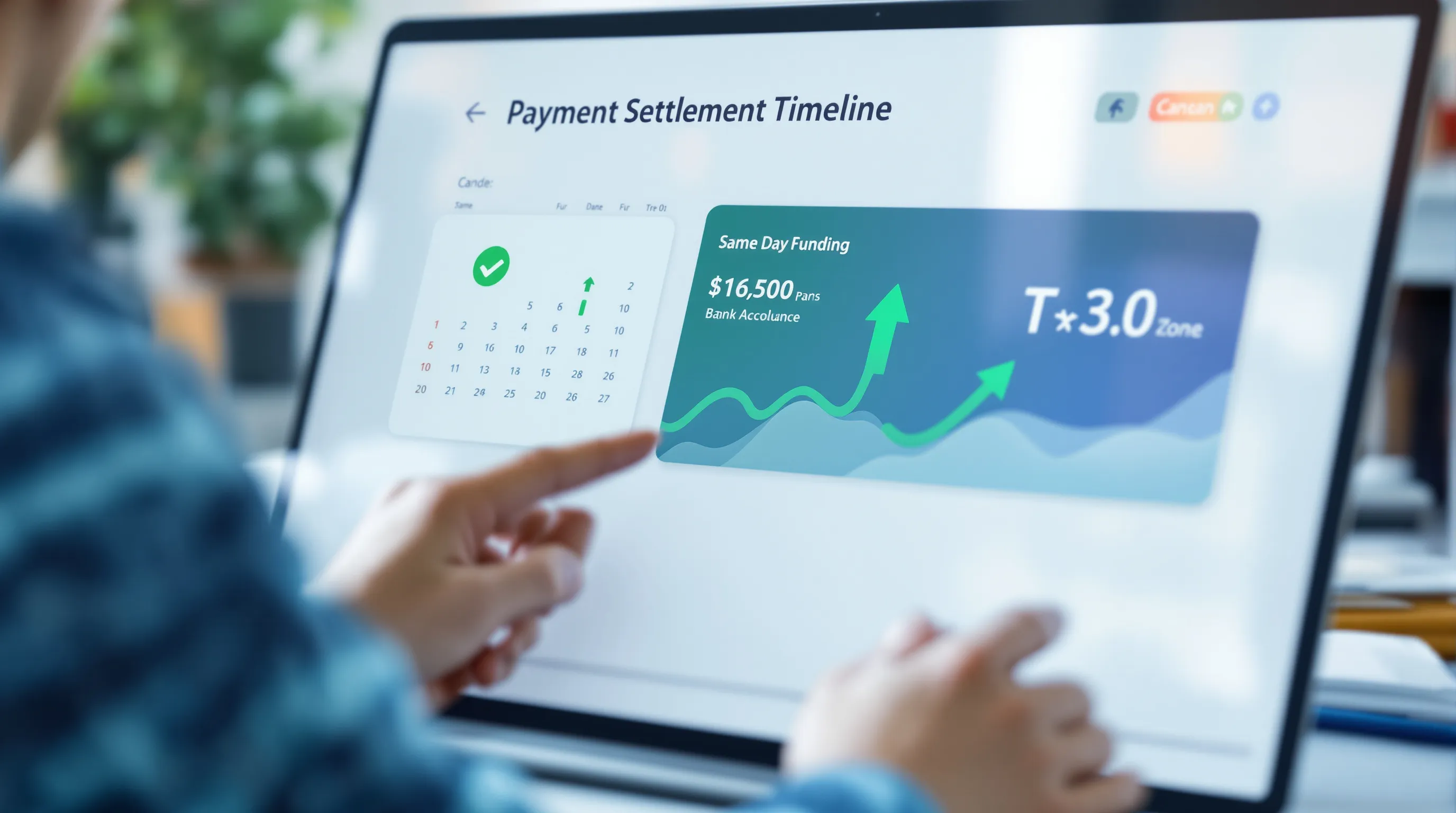
Same-Day Settlement and What T+0 Means for Cash Flow
See how T+0 settlement frees locked working capital for high-risk merchants. Compare T+2, T+3, and same-day funding math—get faster payouts today.
Continue reading ›
When Does Payment Processing Actually Trigger HIPAA?
Payment processing triggers HIPAA only when your workflow handles protected health information. Learn when your checkout needs a BAA versus PCI DSS compliance.
Continue reading ›
Tokenized Card-on-File vs Vault-Hosted CoF for Rescuing High-Risk Subscriptions
Vault tokens die when your processor drops you. Learn why network tokens survive acquirer terminations and how to audit your card-on-file setup now.
Continue reading ›
The 3 Costs High-Risk Sellers Miss Beyond the Processing Rate
Rolling reserves, per-dispute chargeback fees, and personal guarantee clauses cost high-risk merchants more than the processing rate. Learn the Total-Cost Test.
Continue reading ›
Peptide Processor Approval Odds by Product Category
Cosmetic, research-use, and compounded peptides have different approval rates. See the odds by category and apply with SeamlessChex today.
Continue reading ›
How to Keep Processing Payments After Your Acquirer Drops You Mid-Settlement
Acquirer dropped you mid-settlement? Bridge the 7-14 day gap with ACH in 24-48 hours. Get your recovery plan and restore card processing fast.
Continue reading ›
How Tiered Chargeback Fees Compound on High-Risk Accounts Above 1% Dispute Ratio
See how chargeback fees compound above a 1% dispute ratio, with real cost breakdowns. Learn how to protect your high-risk account before it's too late.
Continue reading ›
How to Reclaim Your Stripe Customer Database After a US LLC Account Closure
Stripe closed your LLC account? Learn how to export customer data before the window shuts and migrate billing to a new processor. Read the guide now.
Continue reading ›
How to Respond When LegitScript Drops Your Certification Mid-Renewal Cycle
LegitScript dropped your certification mid-renewal? Learn the 14-day appeal window and keep processing payments. Get expert guidance now.
Continue reading ›
How to Reactivate a Frozen PayPal Merchant Service After a 2026 Compliance Review
Frozen by PayPal's 2026 compliance review? Learn reason codes, required documents, appeal steps, and backup options to restore revenue fast.
Continue reading ›
What Online Gaming Payment Processing Costs Operators in 2026
See what gaming operators really pay in 2026: rates, reserves, and hidden fees. Read the full cost breakdown before you sign with a processor.
Continue reading ›
How to Vet a High-Risk Payment Processor Before You Sign
Learn the 8 questions and red flags for vetting a high-risk payment processor before you sign. Protect your funds—read the checklist now.
Continue reading ›
Ecommerce Payment Processor Checklist for High-Risk Catalogs
10 checklist items high-risk ecommerce sellers must verify before signing a processor contract. Avoid termination surprises—get the full checklist now.
Continue reading ›
How to Switch Payment Processors Without Downtime
Learn how to switch payment processors without downtime using token migration and parallel billing playbooks. Request a same-day quote from SeamlessChex.
Continue reading ›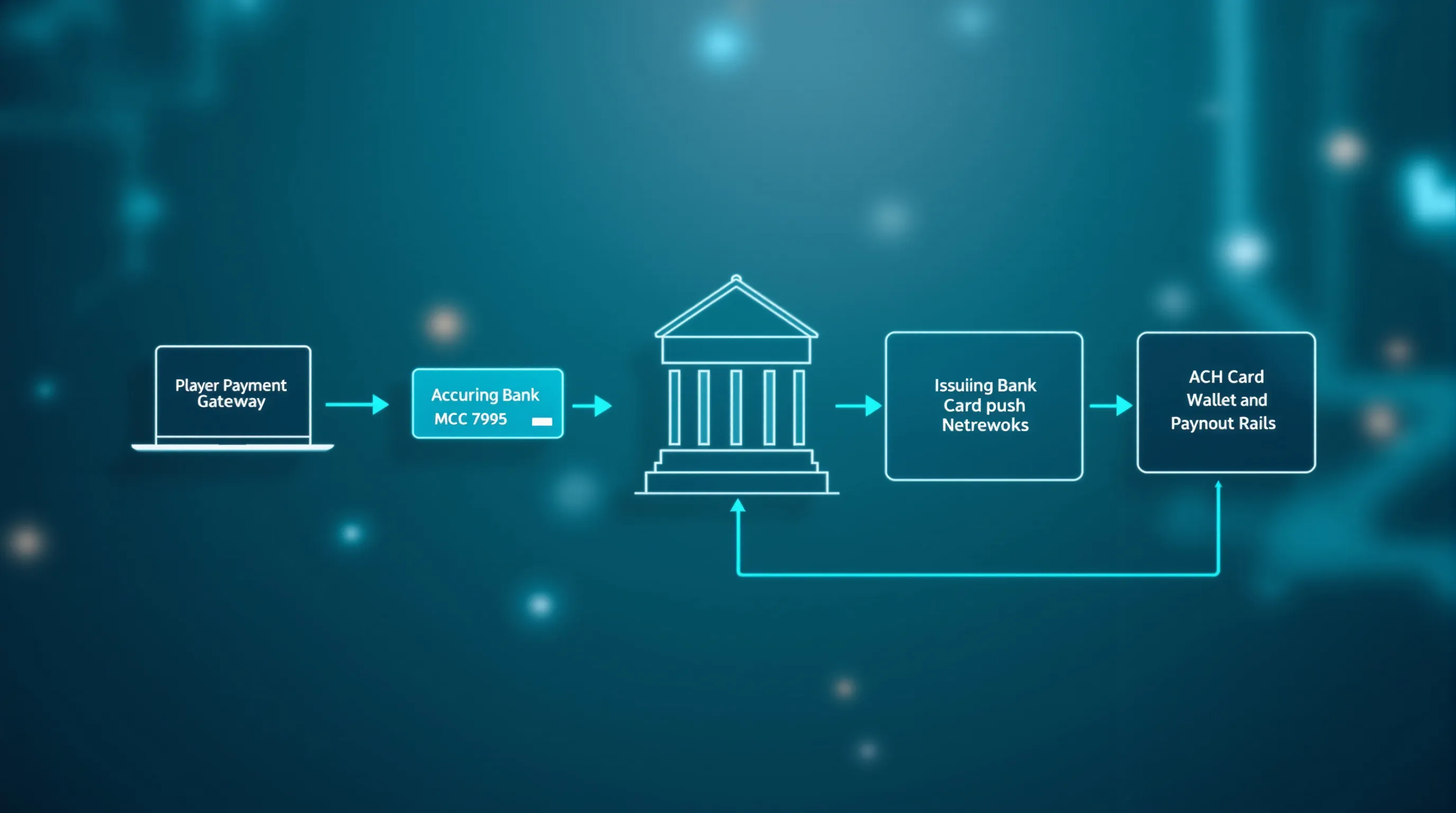
How Online Casinos Process Player Deposits and Payouts
Discover how casino deposits are authorized, why declines happen at the bank level, and which payout rails settle fastest. Fix your gaming payments now.
Continue reading ›
What Makes a Business High-Risk to Payment Processors?
Learn the exact chargeback ratios, MCC codes, and underwriting signals that classify a business as high-risk. Get tips to improve approval odds now.
Continue reading ›
How to Automate Recurring ACH Collections for Subscriptions
Learn how to automate recurring ACH collections with NACHA-compliant retry logic and dunning to recover 85-90% of failed payments. Read the playbook now.
Continue reading ›
Best Online Payment Processor After Being Declined Elsewhere
Declined by Stripe, PayPal, or Square? Compare top high-risk processors ranked by approval odds and account stability. Find the right fit today.
Continue reading ›
Best Payment Processors for Small High-Risk Businesses
For small high-risk businesses: find specialist direct acquirers with disclosed chargeback tolerance, reserve terms, and fast settlement - not Stripe.
Continue reading ›
Cutting Fraud and Declines on Gambling Payment Processing
Learn how gambling operators reduce fraud and card declines using velocity controls, 3D Secure tuning, and dedicated MCC 7995 merchant accounts. Practical guidance from SeamlessChex.
Continue reading ›
Accepting Digital Wallet Payments as an Online Betting Operator
Learn which digital wallets betting operators can accept, payout compliance rules, and chargeback risks. Get processing infrastructure built for gambling.
Continue reading ›
Payment Processing Solutions That Cut Declines on Hard-to-Place Sales
Struggling with payment declines in peptides, GLP-1, nutraceuticals, or gaming? See processing solutions that boost approval rates. Contact SeamlessChex today.
Continue reading ›
Colorado Peptide Merchant Account Rules Under 2026 State Pharmacy Guidance
How Colorado's 2026 Board of Pharmacy guidance under 3 CCR 719-1 affects peptide merchant account approval, documentation, and payment rail options for CO sellers.
Continue reading ›
Recurring Billing Merchant Accounts: How Subscription Businesses Get Approved in 2026
Denied by Stripe or Shopify? Learn what underwriters check for recurring billing merchant accounts and how subscription businesses get approved in 2026.
Continue reading ›
Designing a Peptide Store Checkout That Survives Underwriting
Strip dosage claims, add an RUO acknowledgment, audit product images for OCR, and use ACH rails to build a peptide checkout that survives underwriting in 2026.
Continue reading ›
Why 'Instant Settlement' Still Isn't Instant for High-Risk Merchants
High-risk merchants rarely see true instant settlement, since reserve holds and underwriting review still control payout speed regardless of rail technology.
Continue reading ›
How to Keep Recurring Billing Alive After Stripe or Shopify Shuts You Down
Stripe or Shopify shut down your subscription billing? Learn how to export tokens, find a high-risk processor, and restart charges fast. Read the playbook now.
Continue reading ›
What Online Gambling Operators Need to Get Payment Approval
Licensed gambling operators need more than a gaming license to get payment approved. Learn what specialist processors require: geo-controls, AML docs, and reserves.
Continue reading ›
What Is High-Risk Merchant Credit Card Processing?
Learn how high-risk credit card processing works, who qualifies, what reserves cost, and how to get approved with a specialist acquirer in 24-48 hours.
Continue reading ›
Hidden Reserve Costs on Peptide and SARM Merchant Accounts You Should Negotiate
Rolling reserves on peptide and SARM merchant accounts range 5-20% with holds up to 180 days. Learn what drives the cost, what is negotiable, and when to push back.
Continue reading ›
Peptide Payment Processor: How Sellers Get Approved
Peptide payment processors require COAs, research-use site copy, and processing history. SeamlessChex helps established peptide sellers get approved.
Continue reading ›
Why Your Peptide Store Was Dropped After Visa's May 2026 Risk Update
Visa's VAMP program dropped compliant peptide merchants in 2025-2026. Learn why it happened, what BRAM fines cost, and which payment rails work now.
Continue reading ›
Why Your Peptide Brand's Settlement Reports Show R29 Returns You Never Originated
Phantom R29 entries on peptide ACH settlement reports come from shared-batch ODFI infrastructure, not your customers. Learn how to identify and eliminate them.
Continue reading ›
Do Peptide Research-Only Sellers Qualify for ACH Origination Without LegitScript?
Research-only peptide sellers qualify for ACH origination without LegitScript. Learn ODFI criteria, the 8-doc checklist, and how to apply via SeamlessChex.
Continue reading ›
Stripe vs Square vs PayPal vs Shopify Payments: Fund Holds and Shutdowns Compared
Stripe holds funds up to 180 days, PayPal always 180. Compare hold windows, appeal odds, and shutdown risk across all four platforms now.
Continue reading ›
May 2026 Stripe and Square Enforcement of "No Peptide/SARM" Clauses: What Actually Changed
Stripe and Square now actively enforce 'no peptide/SARM' clauses after Visa's May 2026 update - here's what changed, who still qualifies, and what to do next.
Continue reading ›
Online Game Payment Processing: How Operators Get Paid
How gaming operators get approved for merchant accounts, configure ACH rails, manage rolling reserves, and keep processing stable. A guide by SeamlessChex.
Continue reading ›
Step-by-Step Process for Switching a Peptide Brand From Card Acquiring to ACH-Only Acceptance
Step-by-step guide for peptide brands switching from card acquiring to ACH-only acceptance: eligibility checks, PAD authorization, return code monitoring, rolling reserves, and specialist processor evaluation.
Continue reading ›
Processor Closed Your Account and Is Holding Funds? Next Steps
When Stripe, Square, or Chase holds your funds after closing your account, here's the real reserve-release timeline and how to keep accepting payments today.
Continue reading ›
Payment Processing for Online Gambling Operators in 2026
A 2026 guide to gambling payment processing: which processors accept operators, what KYC actually costs, and why bank-rail and card backups both matter.
Continue reading ›
Can You Sell Peptides on Stripe Without Getting Shut Down?
Peptide merchant accounts on Stripe always end in shutdown. Learn why card-brand rules make termination inevitable, and what ACH alternatives exist.
Continue reading ›
Why Stripe and Shopify Are Closing Subscription Businesses in 2026
Stripe and Shopify are shutting down subscription merchants over VAMP and FTC rules. Learn why it's happening and find a stable processor before you're closed.
Continue reading ›